
How to Reclaim Your Time as a Busy Professional
Running a business shouldn't mean spending your evenings catching up on admin. Here are five ways a VA can help give you some of that time back.

In today's fast-paced world, many professionals find themselves overwhelmed by endless tasks and responsibilities. The constant juggling of work, personal life, and social commitments can leave you feeling drained and unproductive. But what if you could reclaim your time and regain control over your life? This blog post will explore practical strategies to help you manage your time effectively, allowing you to focus on what truly matters.
Understanding the Importance of Time Management
Time management is not just about squeezing more tasks into your day. It's about making conscious choices that align with your goals and values. Effective time management can lead to:
- Increased productivity: Completing tasks more efficiently allows you to achieve more in less time.
- Reduced stress: A well-structured day can minimize feelings of overwhelm and anxiety.
- Improved work-life balance: By managing your time better, you can create space for personal interests and relationships.
The Cost of Poor Time Management
When you fail to manage your time effectively, the consequences can be significant. You may experience:
- Missed deadlines
- Increased stress levels
- Poor work quality
- Strained relationships
Recognising these costs is the first step toward making a change.
Assessing Your Current Time Usage
Before implementing new strategies, it's essential to understand how you currently spend your time. Consider the following steps:
- Track Your Time: For one week, keep a detailed log of how you spend each hour. This will help you identify patterns and areas for improvement.
- Identify Time Wasters: Look for activities that consume your time without providing value. This could include excessive social media use, unnecessary meetings, or multitasking.
- Evaluate Your Priorities: Determine what tasks are most important to you. Are you spending time on activities that align with your goals?
Setting Clear Goals
Once you have a better understanding of your time usage, it's time to set clear, actionable goals. Consider using the SMART criteria:
- Specific: Define exactly what you want to achieve.
- Measurable: Establish criteria to track your progress.
- Achievable: Ensure your goals are realistic.
- Relevant: Align your goals with your values and long-term objectives.
- Time-bound: Set a deadline for achieving your goals.
Prioritizing Tasks Effectively
With your goals in place, it's crucial to prioritize your tasks. One effective method is the Eisenhower Matrix, which categorizes tasks into four quadrants:
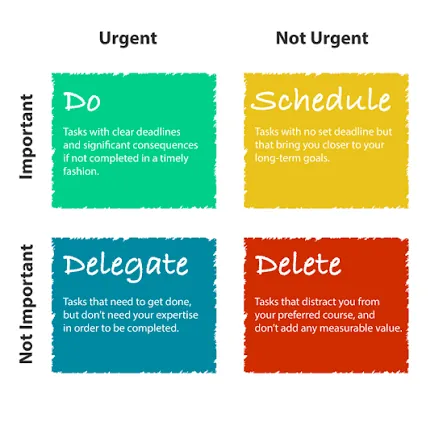
- Urgent and Important: Do these tasks first.
- Important but Not Urgent: Schedule these tasks for later.
- Urgent but Not Important: Delegate these tasks if possible.
- Not Urgent and Not Important: Eliminate these tasks.
By focusing on what truly matters, you can make better use of your time.
Creating a Daily Schedule
A well-structured daily schedule can significantly enhance your productivity. Here are some tips for creating an effective schedule:
- Block Time for Important Tasks: Allocate specific time slots for your most important tasks. This helps you stay focused and reduces distractions.
- Include Breaks: Schedule short breaks to recharge your mind. Techniques like the Pomodoro Technique, which involves working for 25 minutes followed by a 5-minute break, can be very effective.
- Be Flexible: Life is unpredictable. Allow some flexibility in your schedule to accommodate unexpected events.
Learning to Say No
As a busy professional, you may feel pressured to say yes to every request. However, learning to say no is a vital skill for effective time management. Here’s how to do it:
- Evaluate Requests: Before agreeing to take on new tasks, consider whether they align with your goals and priorities.
- Be Polite but Firm: You can decline requests without feeling guilty. A simple, "I appreciate the offer, but I can't take that on right now," is often sufficient.
- Offer Alternatives: If appropriate, suggest someone else who might be able to help or propose a later time when you might be available.
Leveraging Technology for Time Management
In today's digital age, various tools can help you manage your time more effectively. Consider using:
- Task Management Apps: Tools like Todoist or Trello can help you organize tasks and set deadlines.
- Calendar Apps: Google Calendar or Outlook can assist in scheduling and sending reminders for important tasks and meetings.
- Time Tracking Tools: Apps like Toggl can help you monitor how much time you spend on different activities.
Delegating and Outsourcing
You don't have to do everything yourself. Delegating tasks can free up your time for more important activities. Here are some tips for effective delegation:
- Identify Tasks to Delegate: Look for tasks that others can do just as well or better than you.
- Choose the Right Person: Ensure that the person you delegate to has the skills and resources needed to complete the task.
- Provide Clear Instructions: Communicate your expectations and provide any necessary resources to help them succeed.
Maintaining Work-Life Balance
Reclaiming your time also means ensuring you have a healthy work-life balance. Here are some strategies to help you achieve this:
- Set Boundaries: Define clear work hours and stick to them. Avoid checking work emails or taking calls outside of these hours.
- Make Time for Yourself: Schedule regular time for hobbies, exercise, and relaxation. This will help you recharge and maintain your well-being.
- Communicate with Your Employer: If you're feeling overwhelmed, discuss your workload with your manager. They may be able to help you prioritize or redistribute tasks.
Reflecting and Adjusting
Time management is an ongoing process. Regularly reflect on your progress and adjust your strategies as needed. Consider the following:
- Weekly Reviews: Set aside time each week to review your accomplishments and identify areas for improvement.
- Adjust Goals: As your priorities change, be willing to adjust your goals and strategies accordingly.
- Seek Feedback: Ask colleagues or mentors for feedback on your time management skills and areas where you can improve.
Conclusion
Reclaiming your time as a busy professional is not just about managing tasks; it's about making intentional choices that align with your values and goals. By assessing your current time usage, setting clear goals, prioritizing tasks, and leveraging technology, you can take control of your time and create a more balanced life. Remember, it's not just about working harder; it's about working smarter.
Start implementing these strategies today and watch how your productivity and well-being improve.
Take the first step now: track your time for a week and see where you can make adjustments. Your future self will thank you.